 Add Row
  Add
Add 


Did you know that in 2023, over 60% of bankruptcy cases in the United States pointed to medical expenses as a major cause? This alarming fact demonstrates just how crucial proper medical expenses reimbursement is for individuals and families facing overwhelming medical care costs. You’re not alone—navigating reimbursement arrangements and policies can be confusing, especially if you or a loved one have suffered a personal injury. This comprehensive guide will equip you with everything you need to take control and find financial relief.

Startling Facts about Medical Expenses Reimbursement in the U.S.
Medical expenses remain a leading cause of financial distress in the United States, affecting people of all backgrounds and ages. As healthcare costs continue to rise, many families find themselves struggling to pay out-of-pocket medical expenses even after receiving health care services. This has made medical expenses reimbursement not just a benefit—but a necessity for many Americans. Whether dealing with insurance, a health reimbursement arrangement, or a settlement following personal injury, understanding your rights and options is crucial.
"In 2023, over 60% of bankruptcy cases cited medical expenses as a primary cause—underscoring the urgent need to address medical expenses reimbursement solutions."
Despite the availability of tools such as health reimbursement arrangements, flexible spending accounts, and employer-sponsored plans, millions still miss out on the financial relief they’re entitled to—simply due to lack of clear guidance. If you’ve faced a personal injury in Federal Way, WA, or are confused about reimbursement arrangement options, don’t worry; this article will clarify key steps so you can confidently chart your path forward.
What You'll Learn about Medical Expenses Reimbursement
- Types of medical expenses eligible for reimbursement
- Understanding reimbursement arrangements and policies
- How to claim back qualified medical expenses efficiently
- Best practices for navigating health reimbursement arrangements
- Expert insights for personal injury victims in Federal Way, WA

Defining Medical Expenses Reimbursement
Medical Expense vs. Medical Expenses: Know the Difference
While the terms “medical expense” and “medical expenses” might seem interchangeable, understanding the distinction is important when discussing reimbursement options. A medical expense typically refers to a single cost associated with medical care—for example, a doctor’s visit, a specific surgery, or a prescription refill. In contrast, medical expenses encompass the full range of healthcare-related charges incurred over time, including treatments, medication, equipment, and insurance premiums. Recognizing this distinction is crucial for accurate recordkeeping and when completing reimbursement forms for health reimbursement arrangements or other employer programs. Most policies, from health insurance to government tax credits, ask for itemized documentation of all relevant medical expenses.
Understanding the Reimbursement of Medical Expenses
Put simply, medical expenses reimbursement is the process of getting your eligible out-of-pocket healthcare costs paid back—typically by an insurer, employer, or another responsible party following an injury. There are different forms these reimbursements can take, such as direct deposit to your bank account, check, or credit toward future medical services. This process requires following specific rules set by health reimbursement arrangements, insurance policies, or legal settlements. A critical factor in successful claims is timely and meticulous documentation of every qualified medical expense. If you live in Federal Way, WA, and are navigating a personal injury case, working with an experienced attorney can simplify the process and ensure you don’t leave money on the table.
Health Reimbursement: What Does it Mean for You?
Health reimbursement is a key tool—particularly via a health reimbursement arrangement (HRA)—that empowers both employers and individuals to cover the high costs of medical care. These employer-sponsored plans and individual options let you claim back eligible medical expenses tax-free, increasing your spending power and reducing your overall financial burden. Knowing exactly which expenses qualify under your health reimbursement arrangement is important, as policies can differ and may include or exclude certain types of care, equipment, and prescription drugs. Proper use of these arrangements can help you maximize the tax advantages and secure much-needed relief from overwhelming healthcare bills, especially after a personal injury event.
Why Medical Expenses Reimbursement Matters for Personal Injury Victims

Impact of Medical Expenses on Financial Wellbeing
For personal injury victims, medical expenses reimbursement can be the difference between spiraling into debt and getting back on your feet. The aftermath of accidents often brings substantial and ongoing medical care expenses: hospital stays, therapies, prescription medications, and specialized equipment. Without proper reimbursement, these costs can drain savings, harm your credit, and lead to overwhelming stress. Studies show that immediate access to reimbursement arrangements or insurance support improves not only financial stability but also recovery outcomes. By leveraging the options available, you can protect your financial wellbeing during a challenging time, ensuring that you heal without the added pressure of mounting medical expenses.
Federal Way residents should be aware of the reimbursement arrangement tools tailored to personal injury claims—including leveraging health reimbursement arrangements or settlements—so that every qualified medical expense is claimed back efficiently and legally.
Legal Aspects of Medical Expenses Reimbursement in Federal Way, WA
The legal landscape in Federal Way, WA, is uniquely supportive of personal injury victims seeking medical expenses reimbursement. State law allows personal injury claimants to pursue responsible third parties or insurers for the full costs of medical care expenses incurred as a result of an accident. However, success depends on detailed documentation, expert legal representation, and timely claim filing. Working with a local personal injury attorney can make a significant difference—they understand not just the law but also local insurer practices and court expectations. Knowledgeable attorneys can help you negotiate reimbursement arrangements, navigate health insurance complexities, and optimize the recovery process for your medical expenses. Don’t hesitate to seek expert help if you’re navigating difficult reimbursement claims in the aftermath of an injury in Federal Way.
Types of Medical Expense Reimbursement Arrangements
Health Reimbursement Arrangement (HRA) Basics
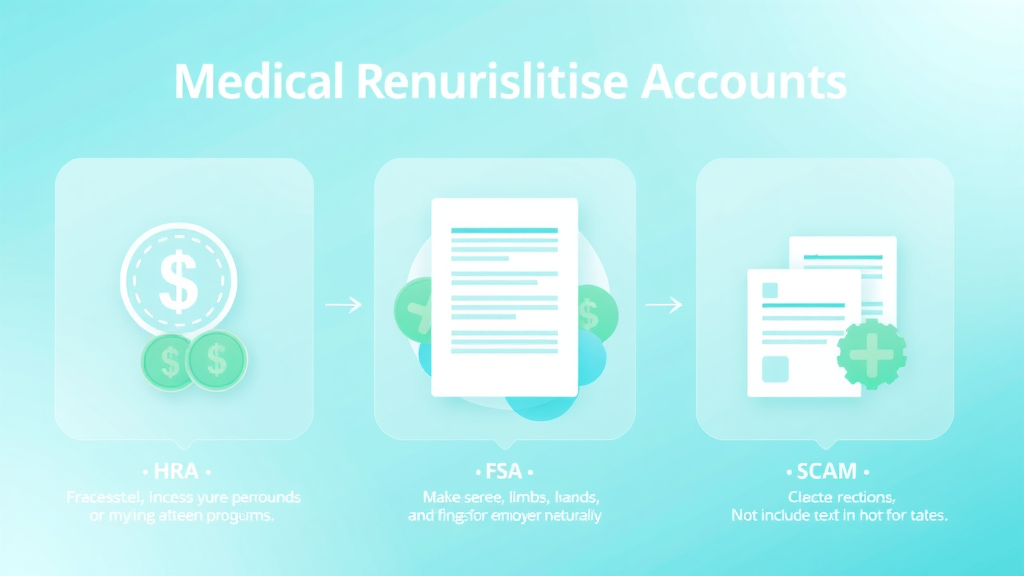
The Health Reimbursement Arrangement (HRA) is a popular tool for medical expenses reimbursement in both small and large organizations. An HRA is an employer-funded plan that reimburses employees for qualified medical expenses, such as doctor visits, prescription drugs, and insurance premiums. These arrangements are highly flexible and can be customized by employers to meet workforce needs. The tax-free reimbursements mean employees get more real value, reducing the cost burden of necessary medical care. Unlike health savings accounts (HSAs), funds in most HRAs cannot be rolled over year to year, so it’s important to keep track of the expiration and use your balance as intended. Employers set rules for eligible expenses and claim submissions, making close attention to your plan’s reimbursement policy and deadlines a must.
Understanding your company’s HRA terms is vital: some cover out-of-pocket medical expenses only, while others include premiums and specific treatments. Always review your summary plan description and ask your HR representative or attorney for clarification if you’re unsure.
Employer-Sponsored Medical Expenses Arrangements
Beyond HRAs, many large employers offer other medical expenses reimbursement options, such as Flexible Spending Accounts (FSAs) or self-funded reimbursement policies. These accounts let you set aside pre-tax earnings to pay for out-of-pocket care expenses. Most employer-sponsored arrangements require submission of itemized receipts and healthcare documentation for reimbursement. Some also have waiting periods or annual limits on reimbursable expenses. For personal injury victims or those facing large, unexpected healthcare costs, employer programs can be essential in bridging the gap between insurance and real expenses. It’s wise to check with your employer about which expenses qualify, how timelines work, and if special exceptions apply after a major injury—especially in companies operating in and around Federal Way, WA.
These arrangements may intersect with legal claims, so coordination with your attorney ensures you maximize all potential sources of financial relief.
Individual Health Reimbursement Solutions
If you don’t have access to employer-sponsored options, you may still pursue medical expenses reimbursement through individual arrangements. Options like individual coverage HRAs (ICHRAs) now allow self-employed professionals, gig workers, or those between jobs to set up accounts that cover qualified medical expenses, often with desirable tax advantages. Some standalone policies, or even private legal settlements following an injury, will set aside funds for your healthcare costs. Each program has its own rules for what counts as a qualified medical expense, so be sure to seek advice from trusted legal counsel or a financial advisor who understands the local and federal regulations. Staying informed can help you avoid leaving money unclaimed and prevent unnecessary out-of-pocket losses for medical care services.
What Qualifies as a Medical Expense for Reimbursement?
Qualified Medical Expenses: Examples and Exclusions
To make the most of medical expenses reimbursement programs, it’s crucial to know exactly what counts as a qualified medical expense. Eligible expenses typically include a wide range of medical care needs—everything from hospital bills and outpatient treatments to prescription drugs and certain kinds of medical equipment. Some plans, like health reimbursement arrangements and flexible spending accounts, also allow reimbursement for specific insurance premiums or transportation costs associated with care. However, not every health-related expense qualifies: elective or cosmetic treatments, over-the-counter drugs without a prescription, gym memberships, and non-medically necessary procedures are generally excluded.
- Medical care treatments covered
- Prescription drugs
- Medical equipment and supplies
- Health insurance premiums
Check your health reimbursement arrangement’s documentation for a full, up-to-date list of qualified medical expenses, and consult your personal injury attorney in Federal Way, WA, to make sure you’re not missing eligible reimbursements following an injury claim.
Non-Qualified Medical Expenses: What to Avoid
Understanding what medical expenses cannot be reimbursed is as important as knowing what’s covered. Non-qualified expenses often trip up claimants, resulting in denied claims or payment delays. Examples include elective cosmetic surgery (unless needed after an accident), non-prescription over-the-counter drugs (unless you have a doctor’s note), and wellness products that aren’t medically necessary. Submitting non-qualified expenses can create headaches with HR or insurance, prolonging your financial relief or triggering an audit. Make it a habit to review which items are covered by your plan’s reimbursement arrangement and avoid spending time or effort on non-eligible submissions. When in doubt, ask your legal or medical care advisor before making purchases or claims.
Step-by-Step Guide to Claiming Medical Expenses Reimbursement

Documenting Medical Expenses Effectively
Proper documentation is the first—and most vital—step in successfully claiming medical expenses reimbursement. Always collect itemized bills and detailed invoices for every medical care expense you incur. Insurers, employers, and attorneys all require clear proof to process your claim. Ensure that each receipt clearly lists the amounts paid, the date of service, and the provider’s name. Organize all relevant health insurance paperwork, including benefit explanations, denial letters, and prior authorization documents. A well-sorted folder or digital archive makes the submission stage faster and reduces the risk of missing deadlines. For personal injury victims, keeping records for every appointment, pharmacy bill, and therapy session is essential, as legal settlements often require comprehensive backup for every qualified medical expense. The more organized and thorough your documentation, the higher your chances of prompt and full reimbursement.
- Collect itemized bills and medical care records
- Ensure receipts clearly indicate amounts paid
- Organize relevant health insurance documentation
Filing a Medical Expenses Reimbursement Claim
Once your medical expenses are organized, you’re ready to submit your claim. Start by reviewing the requirements for your specific plan—whether it’s an employer, health reimbursement arrangement, or insurance policy. Complete every section of the claim form carefully; missing information can slow approval. Where possible, submit claims digitally for fast processing and automatic tracking. Attach all supporting documentation: itemized bills, payment receipts, insurance explanations, and doctor’s notes if needed. If you’re working with a personal injury attorney, they’ll often assist you in compiling, reviewing, and submitting extensive claims. After submission, keep a record of the claim confirmation and any correspondence from the plan administrator or insurer. This structured approach ensures that you comply with the requirements of your reimbursement arrangement and paves the way for quicker financial relief.

Understanding Timelines and Deadlines
Every reimbursement policy has its own timelines for filing claims and reviewing documentation. Missing these deadlines is a common reason that otherwise valid claims are denied. Most employer-sponsored and health reimbursement arrangement plans allow a set number of days—often 60 to 180 days after incurring the expense—to submit your claim. Always check your plan’s documentation and mark important dates in your calendar. For personal injury settlements, court-ordered deadlines may apply, and late claims can mean forfeiture of significant compensation. Respond quickly to any requests for additional information and track the progress of your submission online or by phone. If you encounter delays or denials, appeal as soon as possible with additional documentation or seek help from your personal injury attorney. Staying on top of timelines is key to ensuring prompt and full medical expenses reimbursement.
Navigating Medical Expenses Reimbursement: Tips & Best Practices
- Create a checklist for required documentation
- Work closely with your personal injury attorney
- Keep records of communication with health reimbursement administrators
- Regularly review medical expense policies
Expert legal guidance can increase the likelihood of successful medical expenses reimbursement—especially following personal injury accidents.
Implementing best practices can drastically improve your experience and results. Use a checklist to track required documents and submission stages, especially for larger claims or those involving multiple medical providers. Communicate regularly with your attorney and health reimbursement arrangement administrator, ensuring no detail falls through the cracks. Review your plan’s policy annually and whenever you experience changes in employment or health status. Proactive organization and timely action will help you recover maximum eligible expenses and feel more in control of your financial wellbeing.
Watch: A brief educational video explains the medical expenses reimbursement process—focusing on gathering documentation, submitting claims, and following up to ensure prompt payment.

Medical Expenses Reimbursement Table: Eligible vs. Non-Eligible Items
| Expense Type | Eligible for Reimbursement? | Notes |
|---|---|---|
| Doctor Visits | Yes | Must be medically necessary |
| Cosmetic Procedures | No | Except reconstructive after accident |
| Prescription Meds | Yes | With valid prescription |
| Over-the-Counter Drugs | Sometimes | With doctor’s note |

People Also Ask: How to Reimburse Medical Expenses?
Answer: Filing a medical expenses reimbursement involves collecting itemized documentation, submitting claims to the responsible entity (insurer, attorney, or employer), and following up proactively to ensure timely approval.
People Also Ask: What is the Meaning of Reimbursement of Medical Expenses?
Answer: Medical expenses reimbursement is the process by which individuals recover out-of-pocket costs for qualified medical care, usually from insurers, employers, or responsible third parties after an accident or illness.
People Also Ask: What Medical Expenses Can You Claim Back?
Answer: You can claim back qualified medical expenses such as necessary treatments, hospital stays, prescription drugs, certain equipment, and, in some cases, transportation and health insurance premiums.

People Also Ask: What is a Medical Expense Reimbursement Policy?
Answer: A medical expense reimbursement policy is a set of rules set by employers or insurers that outlines what medical expenses can be reimbursed, submission timelines, and required documentation.
Common Challenges with Medical Expenses Reimbursement
Handling Denied Claims or Delayed Payments
Denied claims and delayed payments are among the most frustrating challenges when seeking medical expenses reimbursement. Reasons for claim denials can include missing documentation, submission after the deadline, or submitting non-qualified expenses. Payment delays may result from administrative backlogs or lack of clarity in policy requirements. If you face these issues, your first step should be to request a detailed explanation from the responsible party—be it your employer, health insurance provider, or plan administrator. Work with your personal injury attorney to file appeals, provide additional documentation, or clarify medical necessity as needed. Timely, persistent follow-up drastically increases your chances of claim approval and prompt payment. If necessary, seek external mediation or legal action, particularly for large sums following personal injury cases.

Navigating Medical Care Documentation Issues
Accurate documentation is the backbone of any successful medical expenses reimbursement process. Missing, incomplete, or inconsistent records can result in denied claims even when the medical care is clearly necessary. To minimize errors, request itemized bills and clear receipts at every provider visit. Double-check that amounts, dates, and provider details are accurate. When dealing with multiple providers or complex injury claims, using digital tools or a dedicated folder can streamline organization. Have your personal injury attorney review all documentation before submission, as legal cases often require a higher standard of proof. If you run into difficulties retrieving records—such as hospital billing errors or missing physician notes—be proactive and persistent in contacting offices, using written requests as backup when needed.
Coordinating with Health Insurance and Legal Teams
For many claimants, coordinating between health insurance, legal teams, and reimbursement administrators is challenging but essential. Each party plays a unique role in securing your medical expenses reimbursement. Your insurance provider may process some claims directly, while others need to be routed through an employer reimbursement arrangement or settled as part of a legal case. Coordination can prevent duplicate claims, legal delays, or lost documentation. Maintain ongoing communication with all parties, provide timely updates, and clarify any outstanding needs or deadlines. Your personal injury attorney is invaluable in this process, ensuring both your medical and legal interests are protected at every step.
Watch: In this short, informative video, attorneys from Puget Sound Injury Law explain key tactics for maximizing your medical expenses reimbursement after an accident, including gathering evidence, negotiating with insurers, and appealing denied claims.
Frequently Asked Questions (FAQs) about Medical Expenses Reimbursement
-
How long does the medical expenses reimbursement process take?
The process may take anywhere from a few weeks to several months, depending on the complexity of your case and the responsiveness of your insurer, employer, or legal representatives. Timely documentation and proactive follow-up can speed up the process. -
Can I claim historical medical expenses after my injury case?
It depends on your policy or settlement agreement. Many plans allow you to claim certain past qualified medical expenses but check your documentation for specific deadlines and discuss your options with your attorney. -
How do reimbursement arrangements vary by employer?
Policies may differ widely—some may offer generous HRA or FSA accounts, while others limit eligible expenses or have strict submission deadlines. Always review your employer’s most recent health reimbursement arrangement documents for details. -
What documentation is required for health reimbursement arrangements?
Commonly required documents include itemized bills, receipts, proof of payment, insurance explanations, and, where needed, physician notes or letters of medical necessity.
Key Takeaways on Medical Expenses Reimbursement
- Early documentation and cooperation with legal experts are critical
- Understand policies around qualified medical expenses
- Personal injury attorneys provide invaluable support navigating reimbursement
"Seeking prompt and informed advice enhances the chance of recovering maximum eligible expenses."
Ready for Relief? Get Expert Help with Your Medical Expenses Reimbursement
Email us at dburgess@pugetsoundinjurylaw.com for personalized guidance on your medical expenses reimbursement.
Conclusion: Take charge of your financial recovery. Gather documentation early, know your policies, and work closely with a trusted personal injury attorney in Federal Way to maximize your medical expenses reimbursement.
Navigating the complexities of medical expenses reimbursement can be challenging. To assist you further, consider exploring the following resources:
-
The U.S. Department of Commerce’s guide on Requesting Reimbursement outlines the process for employees to claim back medical expenses, including transportation costs for authorized medical services. (commerce.gov)
-
The Centers for Medicare & Medicaid Services provides detailed information on Health Reimbursement Arrangements, explaining how employers can set up these plans to reimburse employees for medical care expenses. (cms.gov)
These resources offer valuable insights into the procedures and options available for medical expenses reimbursement, helping you navigate your financial recovery more effectively.




Write A Comment